Article01
6 Ways to Adapt an AI Model
Compare full fine-tuning, LoRA variants, and direct weight edits through Python examples.
Fine-TuningLoRAPyTorch
What I’m working on
Visit my GitHub for up to date projects.
Compare full fine-tuning, LoRA variants, and direct weight edits through Python examples.
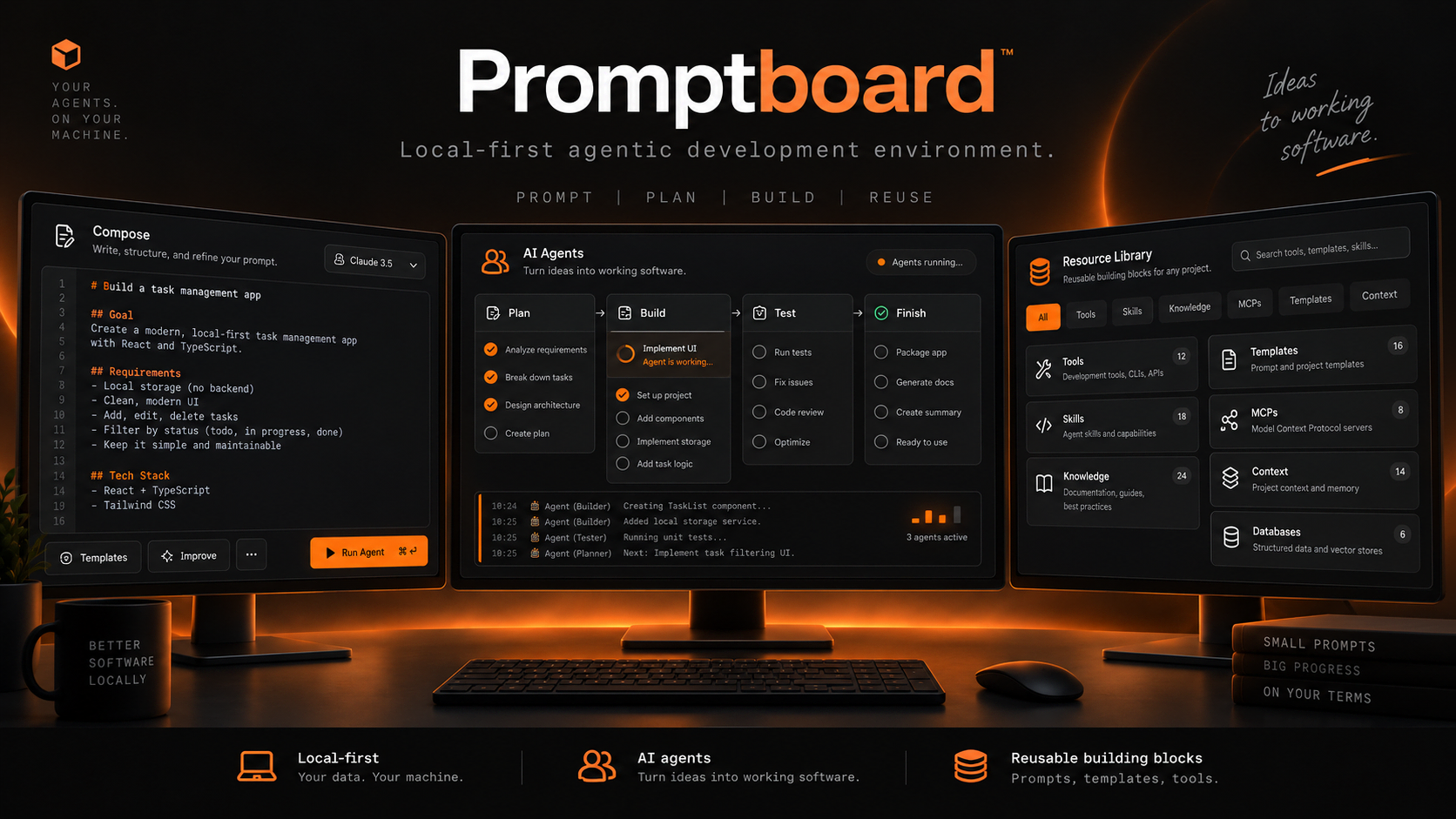
Run AI agents in an isolated environment.
Agentic Development Environment. My attempt to build a quasi-autonomous software factory.
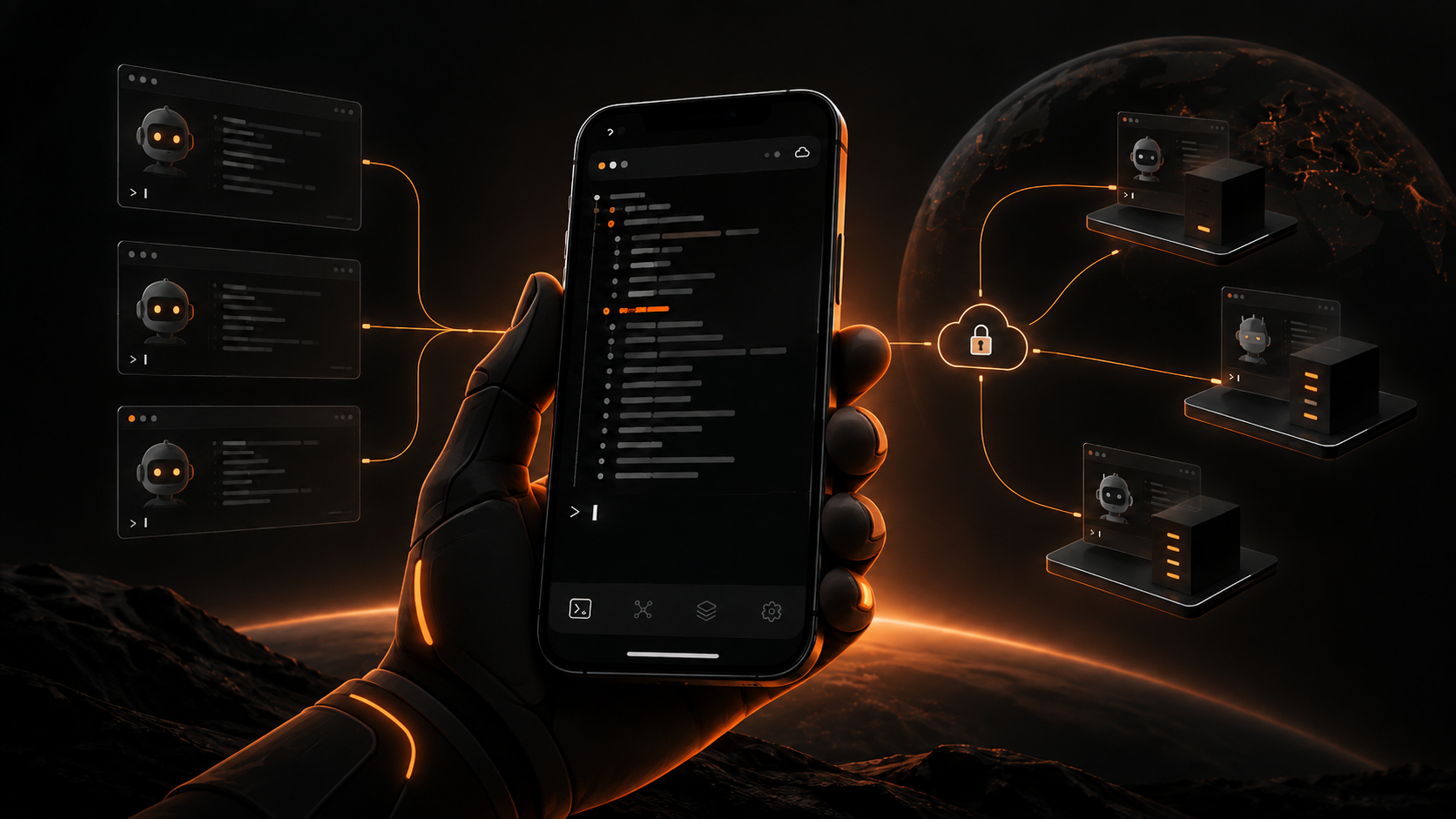
How I use Herdr, Tailscale and Termius to organise parallel agent work, keep sessions running and supervise the workspace from an iPhone.
How I used Twingate and Zero Trust Network Access to share a Linux GPU workstation securely for a collaborative machine-learning project.
How Taalas builds a model into silicon to reduce data movement, and what that trades in flexibility for inference efficiency.
Open-source Python backtesting for systematic trading research, with auditable assumptions and reproducible results.
Connect an authenticated Codex runtime to DeepSeek Harness through a local OpenAI-compatible proxy, without configuring a separate OpenAI Platform API key.
Following my AI Mesh Networks article: how agents discover capabilities, establish trust, delegate work, pay for services and form temporary supply chains.
How model and agent routing, A2A and MCP can connect specialised models, agents and tools into an AI mesh.
How the execution and control layer around a model manages context, tools, state, verification and security to make an agent reliable.